
Home/ Lawn care/ Crabgrass control
Crabgrass control for Illinois lawns
Crabgrass is an annual. Every plant you see in August dropped thousands of seeds that are sitting in your soil waiting for spring. Stop it at germination and the cycle breaks. Miss that window and you are fighting it all summer.

Short answer
Crabgrass control is a pre emergent barrier applied before soil temperature reaches 55 degrees, usually mid March through early April in Illinois. The barrier stops seeds from germinating. Once crabgrass is up and tillering, control gets harder and results get partial. EKKO Lawns times the application to soil temperature, not the calendar.
Where crabgrass shows up first
Look at the driveway edge, the sidewalk strip and the south facing slope. Those areas warm first and dry out fastest, so crabgrass germinates there weeks ahead of the rest of the lawn. Thin turf along the curb gives it the light it needs, and once one plant sets seed it puts out a fresh generation for next year.
- Stops crabgrass, foxtail and goosegrass at germination
- Protects the edges and slopes that always break first
- Cuts the seed bank down over consecutive seasons
- Applied with the early spring feeding, so it is one visit
- Split applications available where pressure is heavy
Crabgrass timing across the season
Soil temperature drives this, not the date on the calendar. We watch it every spring.
Early spring barrier
Applied before soil reaches 55 degrees at two inches. Forsythia blooming is the old field marker and it still holds up.
Split second application
On heavy pressure lawns we come back six to eight weeks later, because the barrier weakens as the season warms.
Late spring watch
Escapes show along hot edges first. Small plants still respond to post emergent product.
Summer treatment
Mature crabgrass tillers out into a wide clump and gets much harder to kill. Treatment turns partial here.
Late summer seed drop
Every surviving plant is dropping seed for next year. This is why one bad season leads to a worse one.
Fall recovery
Frost kills crabgrass and leaves bare patches behind. Aeration and seed fill those before spring.
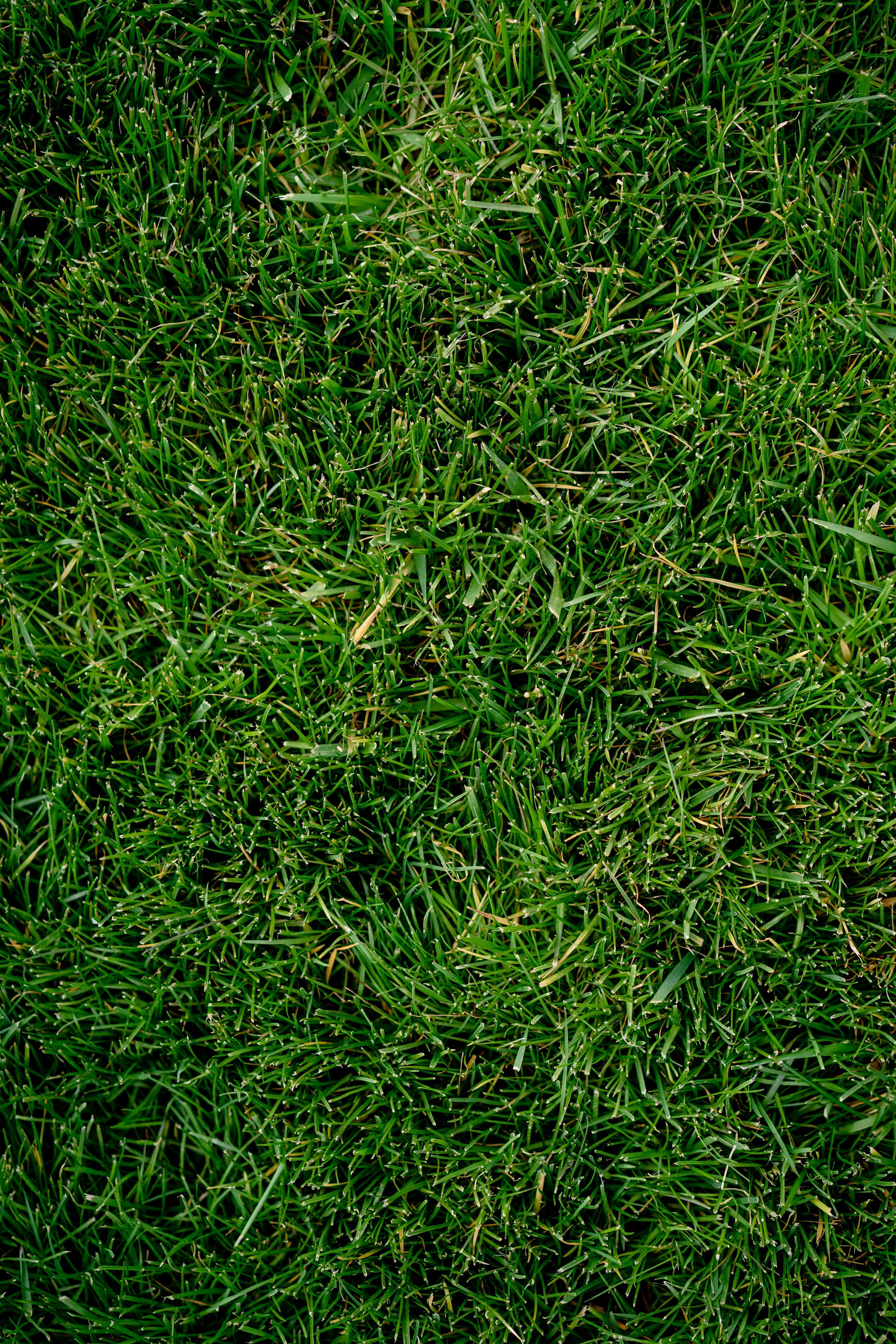
Mowing height changes the outcome
Crabgrass seed needs light to germinate. Cutting the lawn at two inches lets that light straight down to the soil, and no barrier fully covers for a lawn mowed short.
Raise the deck to three or three and a half inches. Taller grass shades the soil surface, drops the germination rate and does more for crabgrass pressure than any second application would.
- Application timed off soil temperature readings
- Split rate option where pressure runs heavy
- Mowing and watering guidance that supports the barrier
- Escapes treated at no extra charge between visits
Pairs well with
Weed control
Broadleaf weeds run on a different schedule than crabgrass and need their own rounds.
See weed controlFertilization
Dense turf shades soil and cuts germination. Feeding does more against crabgrass than most people expect.
See fertilizationLawn overseeding
Fall seed fills the bare spots crabgrass leaves behind when frost kills it.
See overseedingCrabgrass questions we get
When soil temperature holds at 55 degrees for several consecutive days at a two inch depth. That usually falls between mid March and mid April depending on the spring.
Small plants respond to post emergent product. Once a plant tillers into a wide clump the results turn partial, and killing it leaves a bare spot behind.
Each plant drops thousands of seeds that stay viable in the soil for years. One missed season restocks the seed bank.
Yes. It blocks any seed from germinating, which is why we plan the barrier around fall seeding dates.
Three to three and a half inches. Short mowing lets light reach the soil and drives germination up.
It comes with the early spring round on our lawn programs. Call (815) 521-6356 for a measured price on your property.
Get the barrier down before soil hits 55 degrees
The spring window is short. Call and we will get your lawn on the early route.
